
Walk down the baking aisle or scroll a wholesale ingredient catalog and you will run into two dried coconut products that look similar but behave differently in a recipe: desiccated coconut and shredded coconut. For home bakers, the mix-up means a cake that turns out too dry or a garnish that never holds its shape. For food manufacturers, picking the wrong format can throw off moisture balance, texture, and shelf life across a production run.
Both products start from the same raw material, fresh coconut meat, but the way each is cut and dried changes how it performs. Celebes, a coconut manufacturer based in the Philippines, produces both formats at commercial scale, which makes the distinction worth understanding before you place an order.
What Is the Difference Between Desiccated Coconut and Shredded Coconut?
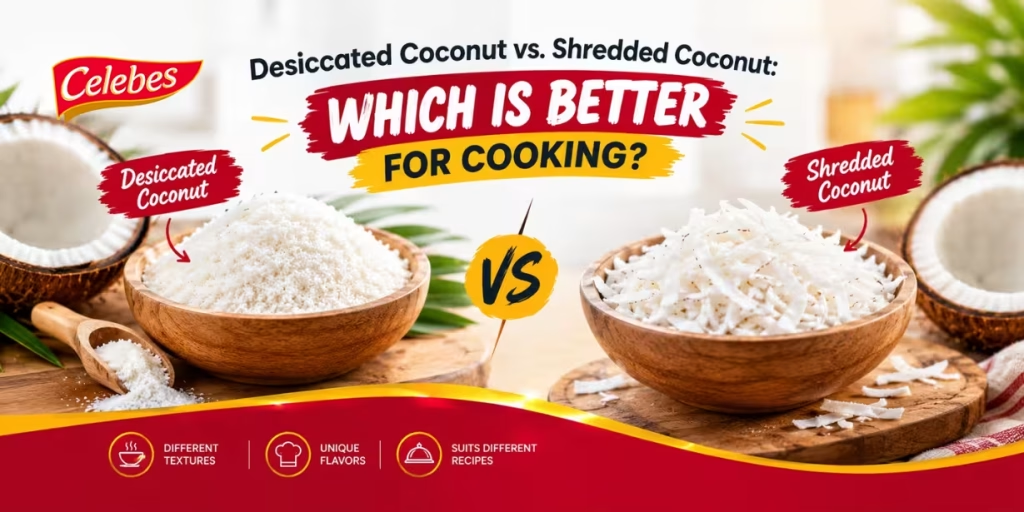
Desiccated coconut is coconut meat finely grated and dried to a very low moisture level, typically under three percent. The result is a dry, fine, almost powdery texture that crumbles easily between your fingers. Because so much moisture has been removed, it has a concentrated coconut flavor and a long shelf life when stored properly.
Shredded coconut, by contrast, is cut into longer, thicker strands and is not always dried to the same degree. Some shredded coconut retains slightly more moisture, giving it a softer, chewier bite. The strands hold their shape better than fine desiccated grains, which is why shredded coconut is usually the one piled on top of a dessert rather than mixed into the batter.
How Texture and Moisture Content Affect Your Recipes
Moisture content is the real difference-maker in a formulation. Because desiccated coconut is so dry, it absorbs liquid from batters and doughs, which helps when a recipe needs body or a fine, even crumb. It blends smoothly into cookie dough, cake batter, and coating mixes without leaving noticeable strands behind.
Shredded coconut behaves the opposite way. Its larger flakes stay visible and add bite, so it works better where texture and appearance matter more than a seamless blend, such as toppings, granola clusters, or curries that benefit from a bit of chew. Choosing between the two often comes down to whether the coconut should disappear into the mix or stand out on top of it.
Best Uses for Desiccated Coconut in the Kitchen
Desiccated coconut is the standard choice for coconut macaroons, coconut flour blends, energy bites, and baked goods where an even texture matters. Its low moisture also makes it a reliable base for coatings on candies and confectionery, since it will not introduce excess water into a finished product. Its consistent particle size and predictable moisture level make it easier to formulate around at commercial scale.
Best Uses for Shredded Coconut in the Kitchen
Shredded coconut earns its place as a topping and garnish, whether finishing a cake, layering into a parfait, or adding texture to trail mixes and granola. It also holds up well when toasted, developing a golden color and nuttier flavor while keeping structure that fine desiccated grains cannot always maintain.
Shelf Life, Storage, and Sourcing Considerations
Lower moisture generally means a longer shelf life, one reason desiccated coconut is popular with manufacturers shipping across long supply chains. Both products should be stored in a cool, dry, airtight container, since coconut’s natural oil content makes it prone to rancidity if exposed to heat and humidity.
Sourcing either product from an established supplier matters. Batch-to-batch consistency in moisture and particle size protects recipe performance, and documentation such as certificates of analysis becomes essential for buyers in regulated markets or building products under organic, Halal, or Kosher certifications.
How to Choose the Right Coconut Product for Your Business or Kitchen
Before settling on desiccated or shredded coconut, confirm:
- How it will be used, folded into a mix or displayed on top of it
- Required moisture and fat content for your formulation
- Particle size consistency from batch to batch
- Available certifications, including organic, Halal, Kosher, and Fair Trade
- Packaging format and minimum order quantities for your production schedule
Celebes supplies both organic desiccated coconut and shredded coconut, backed by consistent processing standards and export documentation for buyers across North America, Europe, and Asia.
Making the Right Choice for Your Recipe
Neither product is better in an absolute sense. The right choice depends on what a recipe or formulation needs: the fine, dry, blendable quality of desiccated coconut, or the chewier, more visible strands of shredded coconut. Understanding that distinction upfront saves home cooks a failed batch and saves manufacturers costly reformulation later.
Celebes combines Philippine coconut sourcing with modern processing standards, giving home bakers and food businesses a dependable, certified source of desiccated and shredded coconut. Whether you are perfecting a recipe or formulating a new product line, our team can help you select the right format.
To learn more about our desiccated coconut range or to request a product sample, contact us today or explore our blog for more insights on coconut ingredients.