
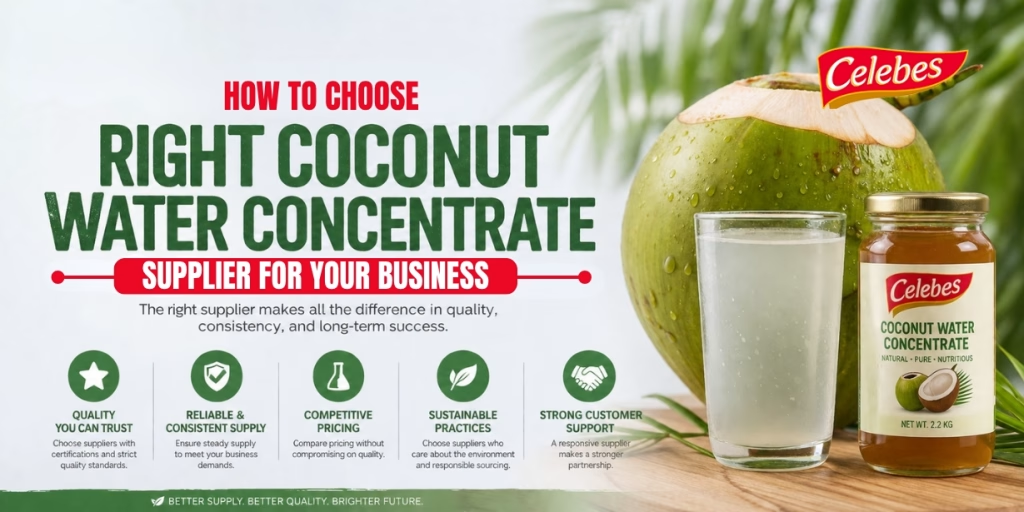
The market for functional beverages has expanded quickly, and with it the number of businesses looking to source coconut water concentrate at commercial scale. The ingredient has genuine appeal: it is natural, recognisable to consumers, and versatile enough to work across a wide range of product categories. But sourcing it well is a different challenge from sourcing it at all.
Not every supplier delivers the same product. Brix levels vary, production methods differ, and the documentation needed for international trade is not universally available. Knowing what to evaluate before committing to a supplier can prevent costly quality issues and supply disruptions. Here is what to look for.
1. Verify Brix Specifications and Batch Consistency
Brix is the standard measure of dissolved solids in a liquid, and in the context of coconut water concentrate, it determines both the flavour intensity of the product and how much water is needed to reconstitute it to the desired strength. A concentrate specified at 60 Brix will behave very differently in a formulation from one at 40 Brix, so knowing the precise specification matters from the outset.
A credible supplier will state their Brix range clearly in their product specifications and back every batch with a certificate of analysis confirming the result. If a potential supplier is vague about this figure or unable to provide consistent documentation, that is a signal worth taking seriously before any volume is ordered.
2. Confirm the Production Method and Heat Treatment
How a concentrate is produced has a direct bearing on the quality of the finished ingredient. High-heat evaporation is the faster and cheaper processing route, but it carries a risk of introducing cooked or caramelised off-notes that compromise the fresh, clean character of the source coconut water. Low-heat or vacuum evaporation takes more care but preserves the natural flavour compounds that make the ingredient valuable.
Before placing a bulk order, ask the supplier about their concentration process and request samples for sensory evaluation. Tasting the concentrate both neat and reconstituted against the flavour profile your formulation requires is a more reliable indicator of fit than any specification document alone.
3. Check Certifications Relevant to Your Target Market
Certifications are not optional extras for most buyers operating in international markets — they are gatekeeping requirements. Organic certification from USDA or EU bodies is essential for brands positioning their products in health-focused retail channels. Halal and Kosher accreditation opens the product to a significantly wider set of export markets and retail environments in the Middle East, Southeast Asia, and beyond.
Food safety compliance — HACCP and ISO 22000 — is a baseline expectation for any serious supplier. Beyond confirming that certifications exist, buyers should request copies and verify their current validity. A lapsed or pending certification is not the same as an active one.
4. Assess Packaging Format and Cold Chain Requirements
Bulk coconut water concentrate is typically supplied in one of two formats: aseptic bag-in-drum packaging for ambient storage, or refrigerated containers for shorter-shelf-life products. The right choice depends on your logistics setup, storage facilities, and the lead time between ordering and use.
For most international buyers, aseptic packaging is the more practical option. It requires no refrigeration during transit, carries a shelf life measured in months, and simplifies import logistics considerably. Refrigerated products can offer a less processed profile but introduces cold-chain dependency at every stage, adding cost and risk.
5. Evaluate Supplier Reliability and Export Track Record
Specifications and certifications matter, but they do not tell you whether a supplier can deliver consistently at the volume your production schedule requires. An export track record does. Suppliers who have been shipping bulk coconut water ingredients internationally over multiple years have navigated customs documentation, lead time variability, and logistics complexity that newer entrants have not.
When assessing a potential partner, ask about lead times, minimum order quantities, and their process for handling non-conforming batches. A supplier with clear quality policies and a responsive technical team is one you can build a long-term relationship with. Vagueness on these points tends to surface as a problem at the worst possible moment.
The Right Supplier Makes the Difference
Coconut water concentrate is only as good as the supplier behind it. Consistent Brix, clean production, valid certifications, appropriate packaging, and a proven export history are not individually sufficient but together they describe a supplier capable of supporting your business reliably over time.
Celebes has been supplying premium coconut-derived ingredients to international food and beverage manufacturers for decades. As a trusted coconut manufacturer with the certifications, documentation infrastructure, and export experience that buyers require, we are equipped to support ingredient sourcing at any scale. To request product specifications, a sample, or a conversation with our team, contact us today or visit our blog for more guidance on working with coconut ingredients.