
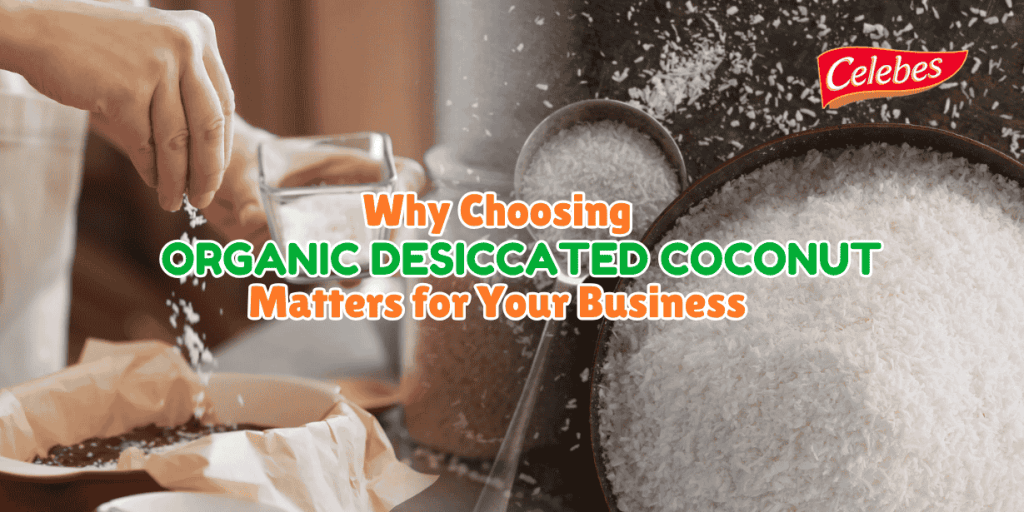
The global food industry is shifting. Consumers are reading ingredient labels more carefully, retailers are demanding cleaner supply chains, and manufacturers are under growing pressure to source responsibly. In this environment, the choice of raw materials, even something as seemingly simple as dried coconut can have a significant impact on your product’s market position.
For businesses in the food manufacturing, bakery, confectionery, and health food sectors, sourcing organic desiccated coconut is no longer just a premium option. It is fast becoming a baseline expectation. Companies like Celebes, a trusted desiccated coconut manufacturer with decades of industry experience, are helping businesses meet this demand with certified, high-quality organic coconut ingredients.
What Makes Desiccated Coconut “Organic”?
Not all dried coconut is created equal. Conventional desiccated coconut may be produced using coconuts grown with synthetic fertilizers or pesticides, processed in facilities with minimal quality oversight. Organic desiccated coconut, by contrast, comes from coconuts cultivated without synthetic chemicals, following farming practices that protect soil integrity and surrounding ecosystems.
To carry an organic certification, the product must meet strict standards set by
recognized bodies such as USDA Organic or EU Organic. This means the entire process from farm to finished product is regularly audited and documented. For ingredient buyers, this translates into a reliable paper trail that supports traceability and due diligence in procurement.
Benefits for Food Manufacturers and Product Developers
One of the strongest drivers for choosing certified organic coconut ingredients is the rise of clean-label products. Modern consumers actively look for items with short, recognizable ingredient lists and no artificial additives. Using natural desiccated coconut that is organically certified allows manufacturers to market their products with integrity.
Beyond consumer perception, there are practical benefits. Organic processing typically results in a product with no residual chemical traces, more consistent moisture content, and a cleaner flavor profile. These qualities matter enormously in applications like premium baked goods, energy bars, dairy-free desserts, and specialty confectionery where the coconut flavor is central to the product’s appeal.
Quality and Safety Standards in Organic Coconut Processing
Producing organic desiccated coconut at a commercial scale requires rigorous process controls. This includes careful selection of raw coconut, controlled drying temperatures to preserve natural oil content, and stringent microbiological testing throughout the production line.
Reputable desiccated coconut manufacturers invest in food safety management systems such as HACCP, ISO certifications, and allergen control protocols. For ingredient buyers and procurement teams, partnering with a certified supplier reduces the risk of non-compliance with food safety regulations across different markets, including the Philippines, Europe, the United States, and the Middle East.
The Role of Organic Coconut in B2B Supply Chains
Reliability matters as much as quality in bulk ingredient sourcing. Businesses that depend on desiccated coconut as a core ingredient need a supplier capable of delivering consistent volumes, particle sizes, and moisture specifications across orders.
An established organic coconut supplier will also offer documentation support, including certificates of analysis, organic transaction certificates, and country-of-origin declarations. These documents are essential for exporters managing complex regulatory requirements across multiple markets. Celebes provides this level of supply chain transparency, making it easier for clients to manage compliance from one reliable source.
Environmental and Sustainability Advantages
Organic farming practices go beyond chemical-free growing. They promote biodiversity, improve long-term soil fertility, and reduce the environmental footprint of agriculture. For companies with sustainability commitments or ESG reporting requirements, sourcing organic ingredients is a meaningful step toward responsible procurement.
Coconut farming in the Philippines is already a significant part of rural livelihoods. Choosing organic sources supports farming communities that adopt sustainable practices, creating a more equitable supply chain from grower to manufacturer to end consumer.
How to Evaluate an Organic Desiccated Coconut Supplier
When selecting a supplier, procurement teams should look beyond price per kilogram. Key criteria include:
- Valid organic certifications aligned with your target market requirements
- Available grades, including fine, medium, coarse, and desiccated flakes
- Consistent moisture content and fat retention specifications
- Minimum order quantities and lead times that suit your production schedule
- Third-party audit history and food safety certifications
- Responsiveness and technical support for custom specifications
Celebes meets all these criteria, offering a comprehensive range of organic and conventional coconut products backed by certifications, dedicated account management, and consistent export experience to global markets.
Making the Smart Sourcing Decision
Choosing organic desiccated coconut is not simply about adding a certification to your packaging. It reflects a commitment to ingredient quality, consumer trust, and responsible business practices. As the market for clean-label and organic food products continues to grow, manufacturers that align their supply chains accordingly are better positioned for long-term success.
Celebes Desiccated Coconut stands out as a supplier that combines Philippine coconut heritage with modern production standards, offering businesses a dependable source of premium organic coconut ingredients. Whether you are scaling an existing product line or developing something new, we can support your sourcing needs.
To learn more about our organic coconut range or to request a product sample, contact us today or explore our blog for more insights on coconut ingredients and industry trends.